Kovilj–Petrovaradin Floodplain (Special Nature Reserve)

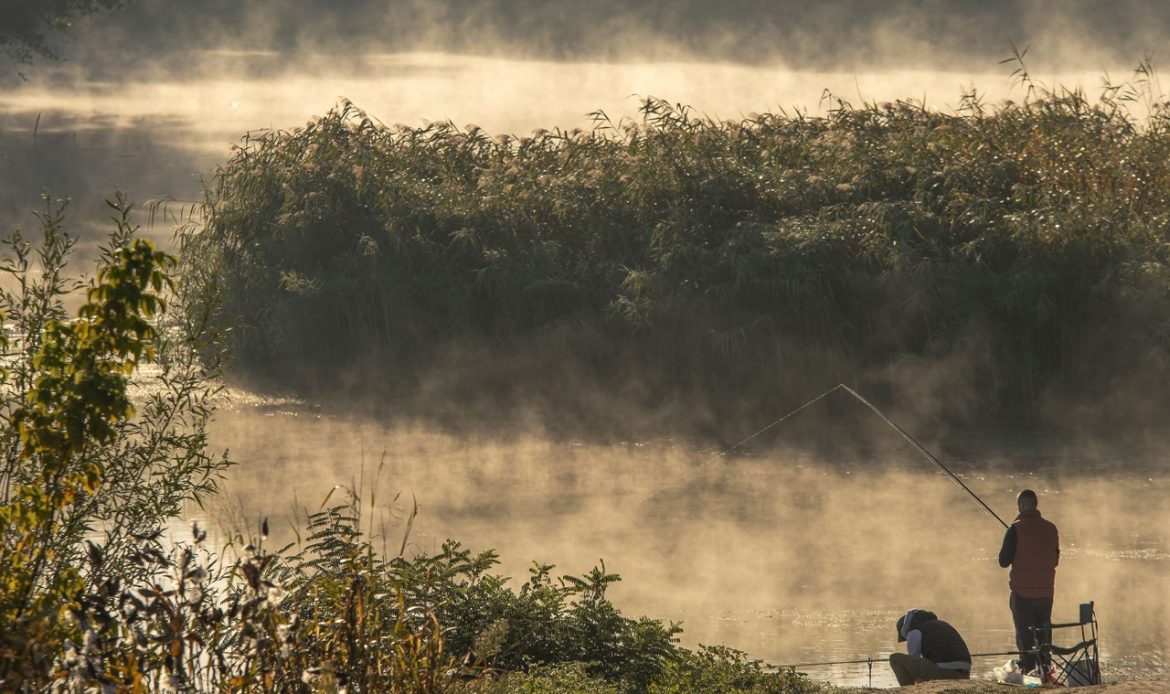
Stretching along the Danube just upstream from Novi Sad, the Kovilj–Petrovaradin Floodplain is one of the most valuable wetland landscapes in the Serbian part of the Pannonian Plain. The reserve forms a broad mosaic of river side arms, oxbow lakes, marshes, reed beds, wet meadows, seasonally flooded pastures, and alluvial forests—habitats shaped by the Danube’s natural water regime and regular flooding.

Protected by the Republic of Serbia since 1998, the area gained additional international recognition when it was designated a Ramsar Wetland of International Importance in 2012. It is also classified as an Important Bird Area (IBA) and Important Plant Area (IPA), highlighting its role as a biodiversity hotspot not only for Serbia, but for the wider Danube Basin.

A living floodplain

What makes the Kovilj–Petrovaradin Floodplain exceptional is the way its habitats interlock. Quiet backwaters and channels serve as nurseries for fish and amphibians, while reed beds and wet meadows provide feeding and nesting grounds for waterbirds. Floodplain forests—dominated by white willow and poplar in lower zones and oak and ash on slightly higher ground—act as a natural buffer against erosion and floods. These forests also filter water and store carbon, supporting climate resilience in and around Novi Sad.
“We have lost respect for the wild river, for the complex workings of a wetland, for the web of life that water supports.”

Sandra Postel

Rich flora and fauna

Botanical surveys record several hundred plant taxa in the reserve, including rare and protected wetland species typical of Central European floodplains. The Ramsar information sheet highlights threatened aquatic plants such as water violet (Hottonia palustris) and four-leaf clover fern (Marsilea quadrifolia), both indicators of well-preserved wetland conditions.

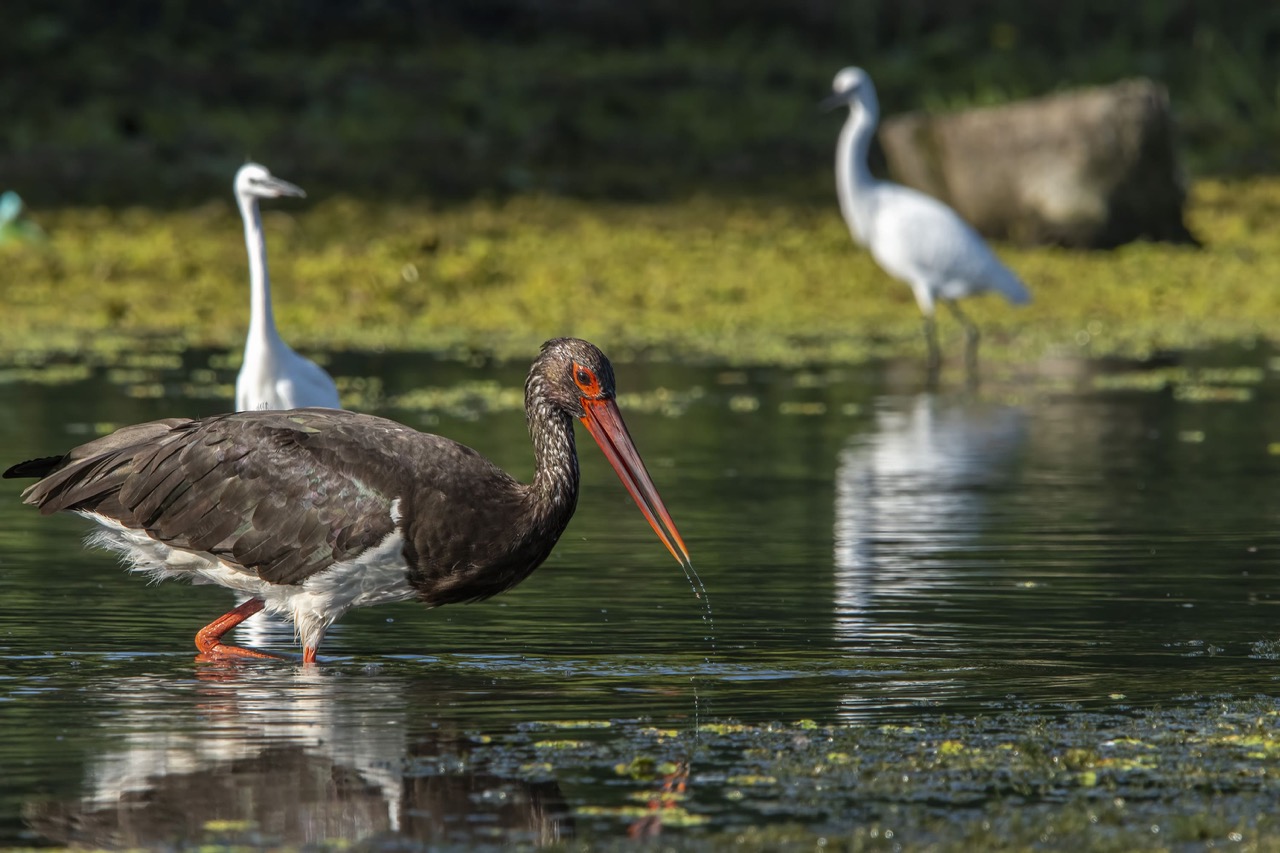
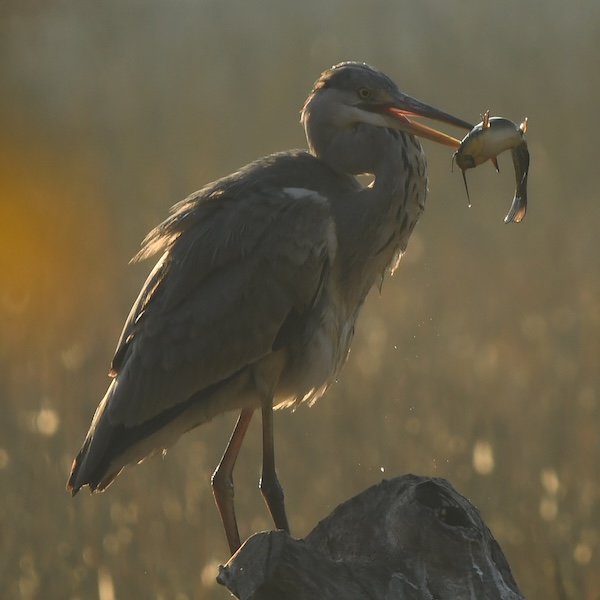
Animal life is equally impressive. The reserve is one of the key ornithological sites in Serbia, supporting large numbers of breeding, migrating, and wintering birds. Herons, egrets, storks, ducks, and raptors rely on its wetlands as safe refuges during different seasons, with especially important nesting colonies in the quieter interior zones. The floodplain also sustains diverse fish populations, amphibians, reptiles (including native freshwater turtles), and mammals such as otter and beaver—species that depend on intact wetland corridors.

Why it matters for Novi Sad

As part of Novi Sad’s Wetland City accreditation, the Kovilj–Petrovaradin Floodplain represents a flagship area where nature protection and urban development work hand in hand. The city and reserve managers focus on habitat restoration, biodiversity monitoring, environmental education, and low-impact nature tourism—ensuring that this floodplain continues to protect water quality, reduce flood risk, and offer citizens a close connection to living nature.

Leave a Reply

Your email address will not be published. Required fields are marked *