

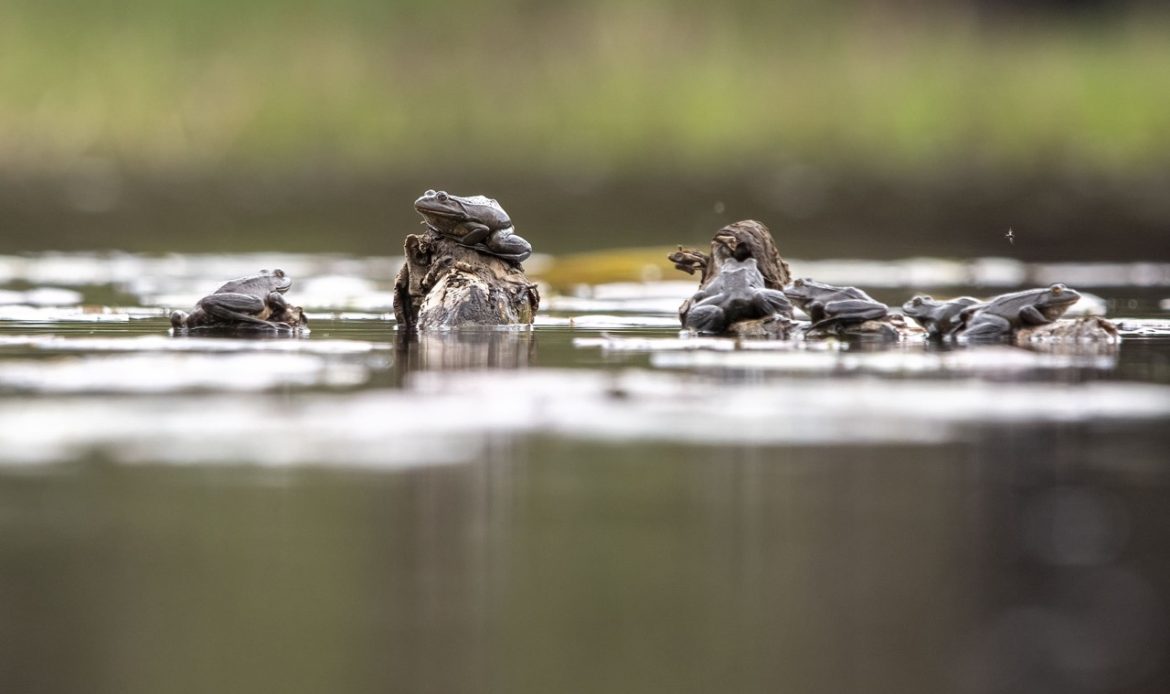
Wetlands are among the most productive ecosystems on Earth. They store and purify water, mitigate floods, recharge groundwater, and help regulate climate by capturing carbon. At the same time, they are centers of biodiversity—supporting species that cannot survive elsewhere. Despite their importance, wetlands worldwide continue to shrink and degrade, making local protection efforts more vital than ever.
A Danube biodiversity corridor
Novi Sad lies within a broad Danube floodplain system, where river side arms, marshes, and wet forests form a green-blue corridor through an otherwise agriculture-dominated region. This is why protected areas like the Kovilj–Petrovaradin Floodplain and Begečka Jama are so important: they preserve “islands” of natural habitat that maintain ecological balance across Vojvodina.

The land ethic simply enlarges the boundaries of the community to include soils, waters, plants, and animals.Aldo Leopold
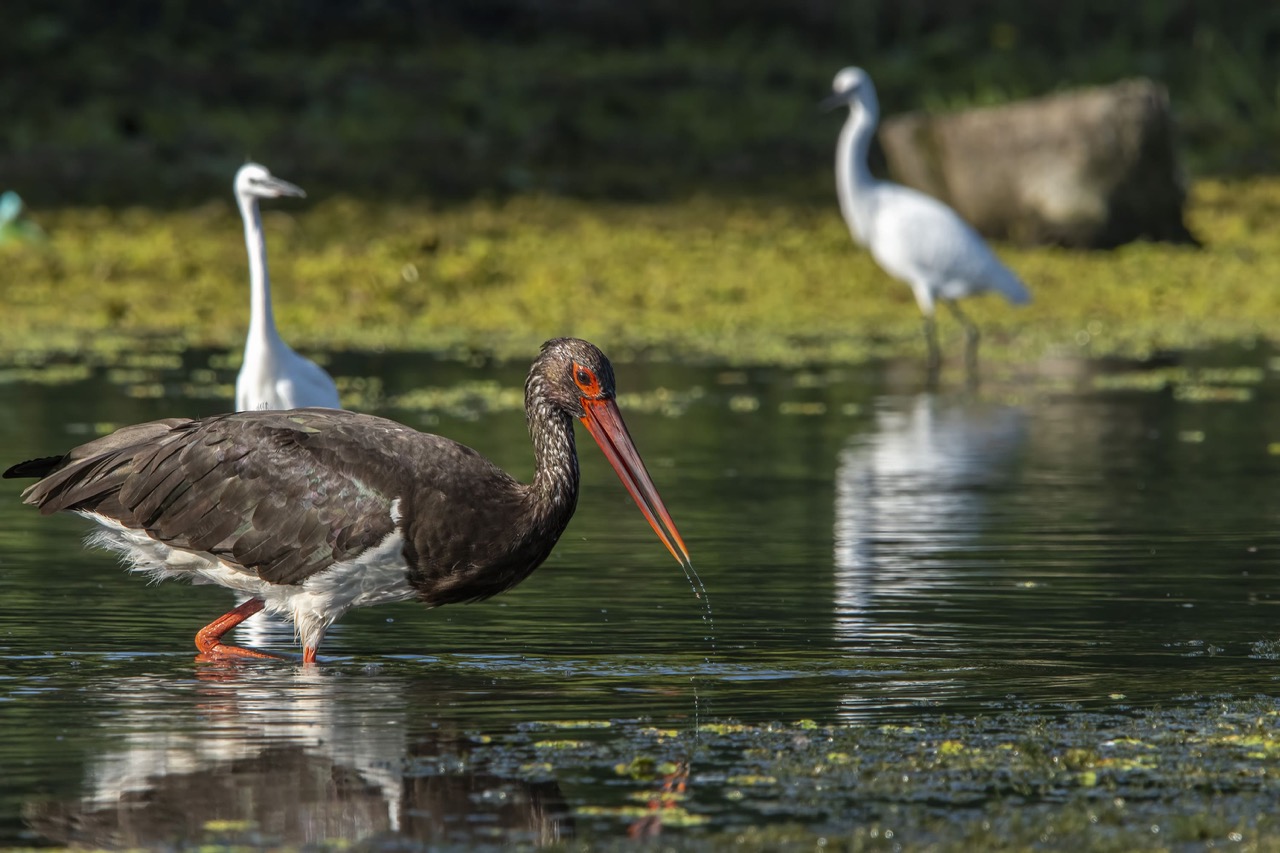
Novi Sad’s wetlands are especially famous for birds. They provide nesting colonies, feeding grounds, and critical stopover sites for migratory species moving along the Danube flyway. Herons, egrets, storks, swans, ducks, and birds of prey all depend on these areas seasonally.
Beneath the surface, side arms and oxbow lakes function as fish nurseries, supporting Danube species through spawning and juvenile development. Amphibians and reptiles thrive in the shallow waters and muddy edges, and mammals such as otter and beaver signal that the food web remains healthy and connected. In short, the wetlands around Novi Sad are living proof that urban regions can still host rich, functioning nature—if it is protected wisely.
Wetland City in practice
Novi Sad’s Ramsar Wetland City accreditation recognizes this biodiversity and the city’s commitment to conserve it. The Wetland City approach promotes restoration, sustainable planning, education, and community involvement so that wetlands continue to support both wildlife and people.