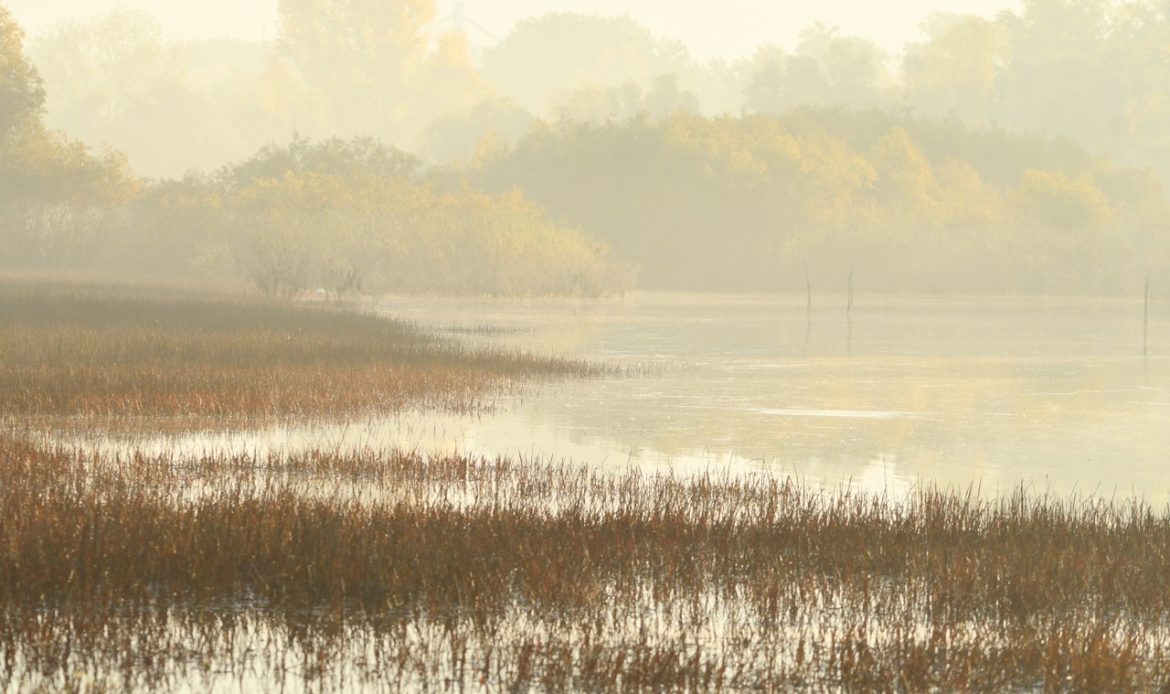
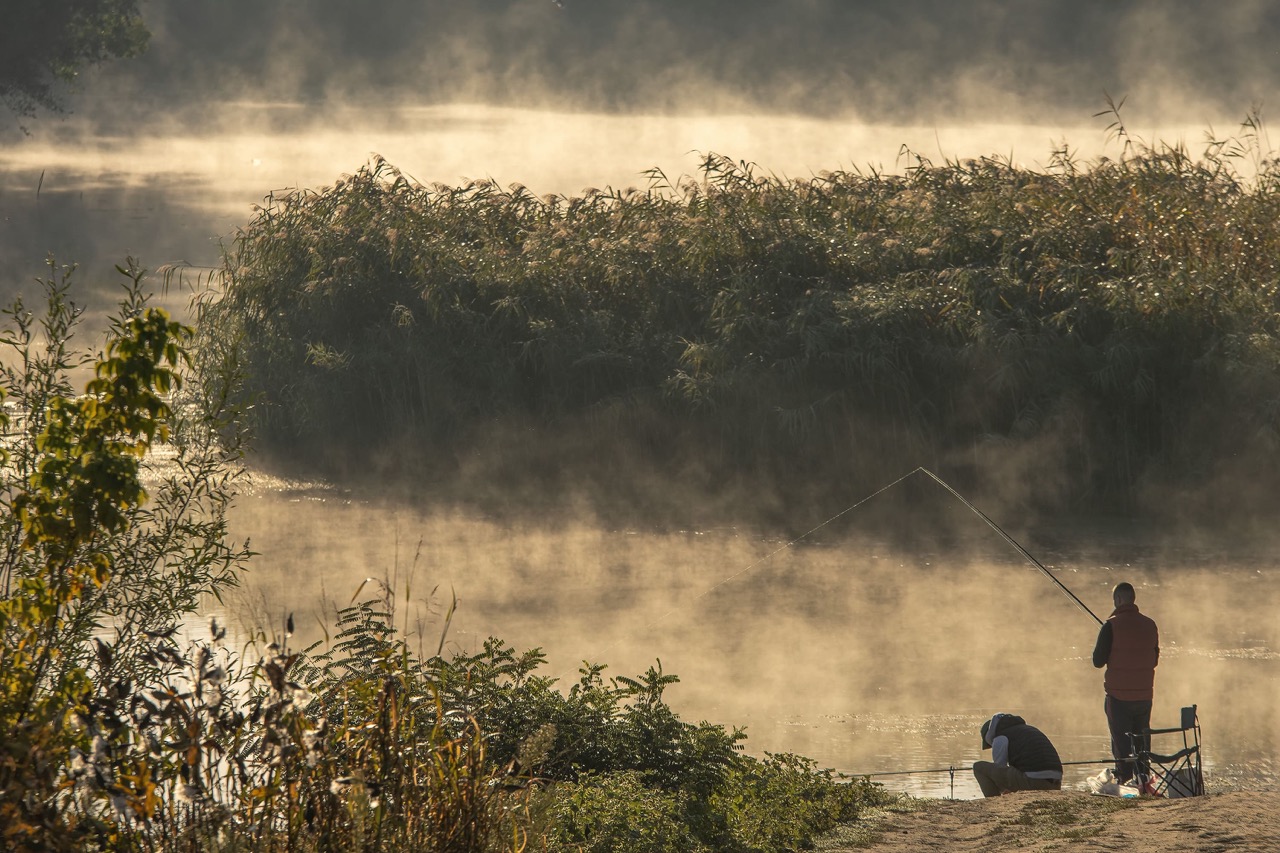
Located near the village of Begeč on the left bank of the Danube, Begečka Jama is a compact yet highly important wetland ecosystem within Novi Sad’s Wetland City area. Formed on an old Danube riverbed, the park extends for several kilometers along the floodplain and preserves a classic Danube landscape of still waters, marshes, wet forests, and meadows.
The site was declared a protected Nature Park in 1999. A revision of protection in 2020 expanded its total area, reflecting its growing ecological importance for the wider Danube corridor. Management plans define different protection regimes across the park, balancing strict conservation zones with areas for controlled recreation.
A mosaic of wet habitats
“The Danube is not blue; muddy yellow is the water.”Claudio Magris
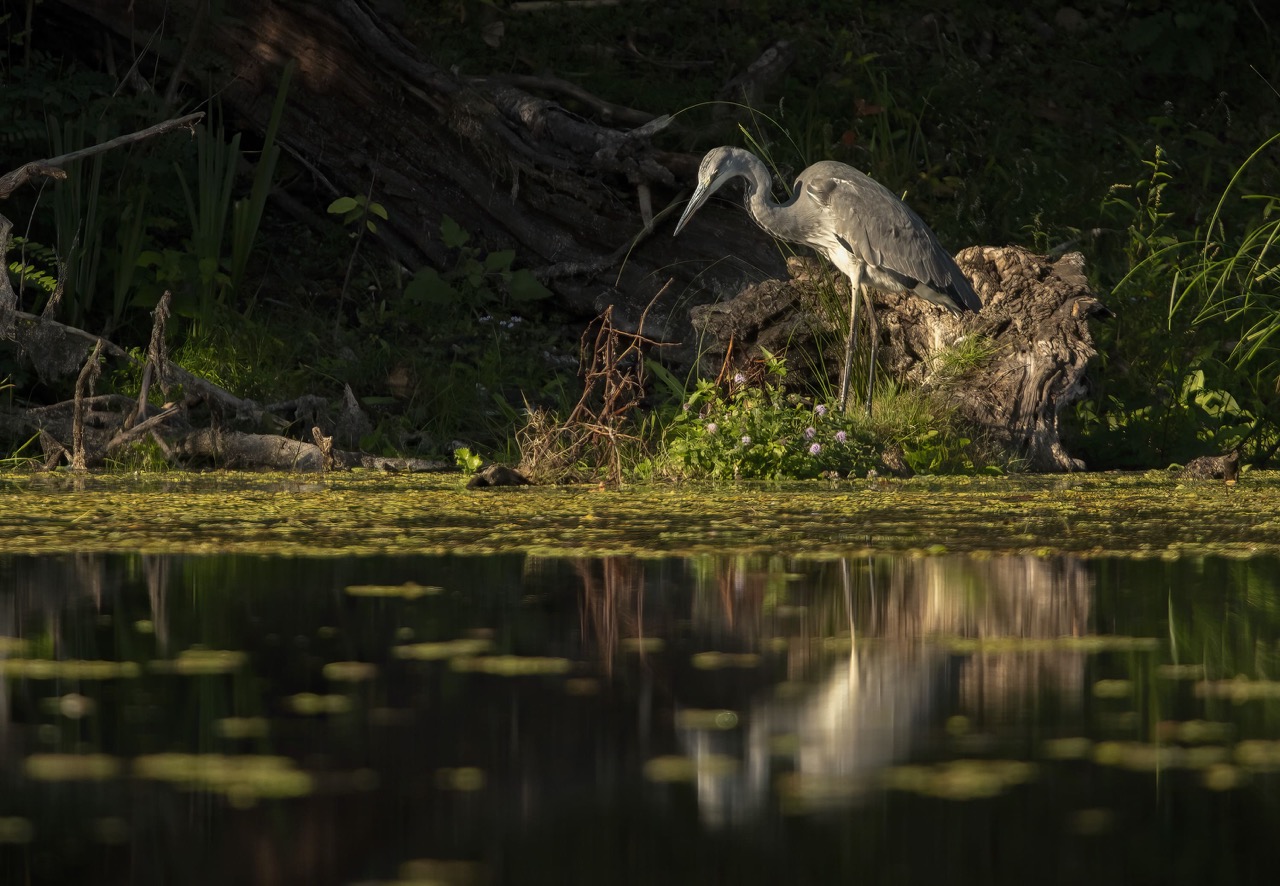
Even though it is smaller than the Kovilj–Petrovaradin Floodplain, Begečka Jama supports remarkable biodiversity. Its waters are recognized as natural breeding and spawning grounds for Danube fish, while reed beds and wet meadows attract and sustain a high number of bird species, including rare and sensitive wetland nesters. The Novi Sad tourism overview notes that this stretch of the Danube is especially significant for nesting birds.
Surveys also document diverse amphibians and reptiles, as well as wetland insects that are crucial for healthy food chains. Native floodplain trees—including old specimens of poplar typical of Vojvodina’s river landscapes—add further ecological and cultural value.